Skip to content
- Child health is influenced by more than a country’s income level.
- Differences in education, wealth, and living conditions affect child survival.
- Child mortality can vary greatly between different groups within the same country.
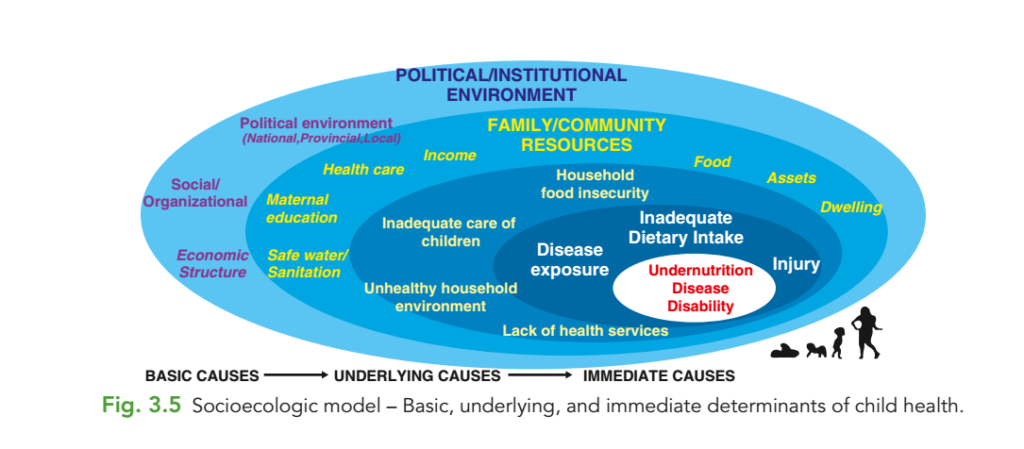
- Child health is strongly influenced by socioeconomic factors.
- Social inequalities lead to higher rates of disease, malnutrition, and disability.
- Medical treatment alone cannot eliminate child health inequalities.
- Social and economic causes of poor health must also be addressed.
- A child’s health is influenced by the economic and political environment in which they are born.
- Economic growth is generally associated with better health outcomes.
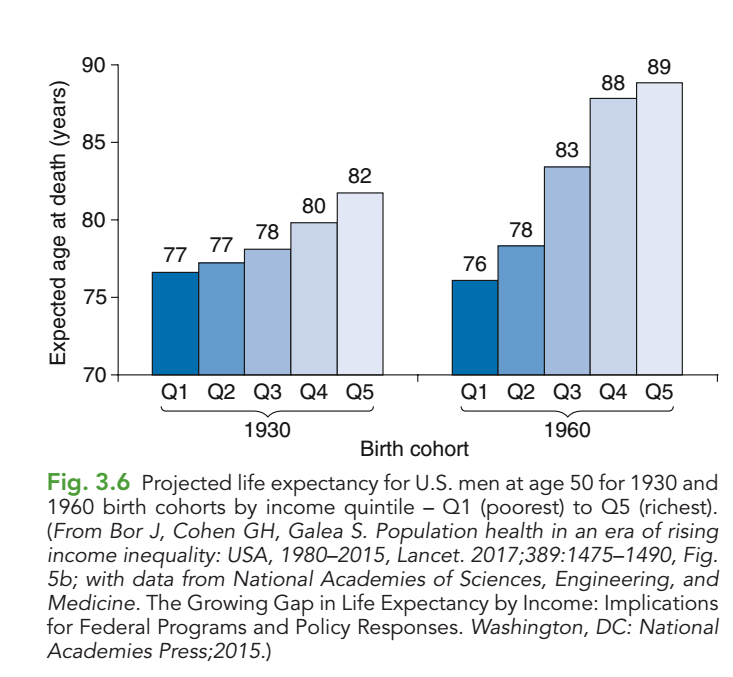
- Growing income inequality contributes to differences in health outcomes between rich and poor populations.
- Greater income inequality is associated with lower life expectancy among disadvantaged groups.
- Policies that improve access to education, healthcare, and social protection help reduce health inequalities.
- Excessive inequality can slow economic growth and reduce human development.
- Poor households often face barriers to investing in health and education.
- Extreme inequality can increase social instability.
- Global health disparities are influenced by economic and political policies.
- Limited investment in health and social services weakens a country’s ability to improve child health.
- Weak health systems struggle to control communicable and noncommunicable diseases.
THE COVID-19 PANDEMIC
- COVID-19 caused a major global health crisis.
- Children usually experience less severe COVID-19 illness than adults.
- Childhood COVID-19 outcomes differ between countries.
- Child deaths from COVID-19 are generally higher in low- and middle-income countries.
- Many low-income regions face shortages of protective equipment and healthcare resources.
- Unequal access to COVID-19 vaccines increased health disparities.
- Limited testing led to underreporting of infections and deaths.
- The pandemic placed major pressure on already weak health systems.
- Routine childhood immunization services were disrupted.
- Shortages of medical supplies and healthcare workers affected child health services.
- Many essential health services experienced disruptions during the pandemic.
COVID-19 AND SOCIAL DETERMINANTS OF HEALTH
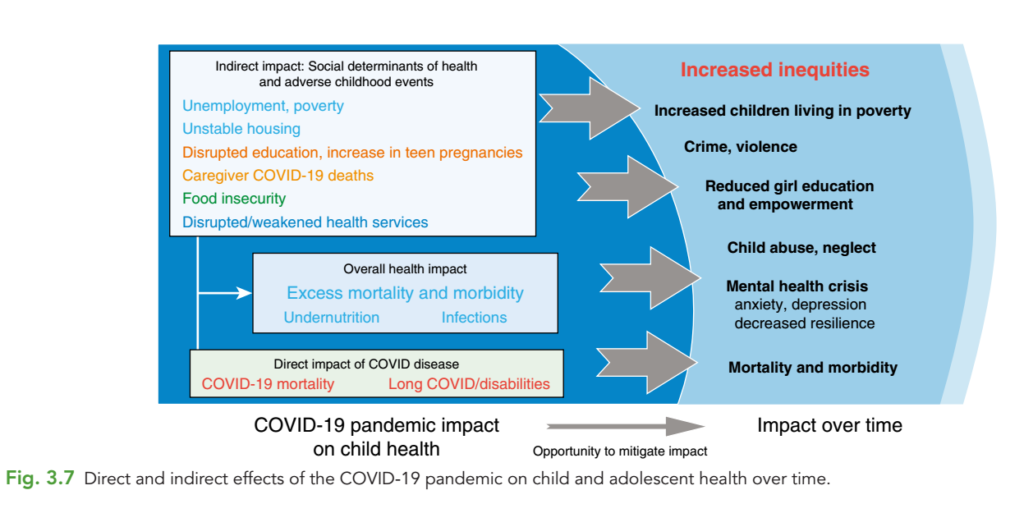
- The indirect effects of COVID-19 may be more harmful than the infection itself for many children.
- COVID-19 affected economies, healthcare systems, food security, and education.
- The pandemic increased poverty and housing instability.
- More children were pushed into extreme poverty during the pandemic.
- Existing social inequalities became worse.
- Vulnerable and marginalized populations were affected most severely.
- Poor living conditions and limited healthcare access increased the risk of COVID-19 infection.
- School closures disrupted education for millions of children.
- Many children in low-income countries lacked access to online learning.
- School closures contributed to increased gender inequality.
- Increases in adolescent pregnancy, domestic violence, and child abuse were reported.
- Many children lost parents or caregivers because of COVID-19.
- Loss of a mother significantly increases risks for child survival and well-being.
- Caregiver loss can have long-term effects on children’s lives.
- The pandemic caused a major mental health crisis.
- Depression and anxiety increased among adolescents.
- Disruption of daily life, school, family income, and social interaction contributed to mental health problems.
- Mental health services were disrupted in many countries despite growing demand.
SUSTAINABLE DEVELOPMENT GOALS (SDGs)
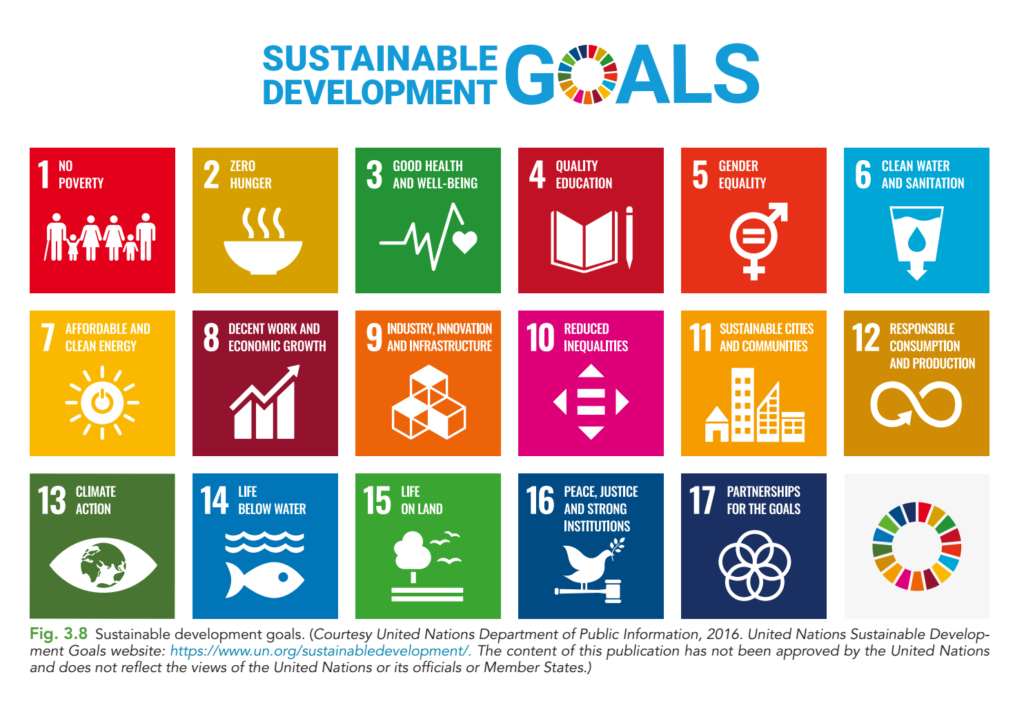
- Global development efforts are guided by the Sustainable Development Goals (SDGs).
- The SDGs aim to improve global well-being by 2030.
- The SDGs were developed from the earlier Millennium Development Goals (MDGs).
- The COVID-19 pandemic increased the importance of achieving the SDGs.
- The SDGs encourage countries to strengthen public services and reduce inequalities.
- Pandemic-related setbacks slowed progress toward many SDG targets.
- Maintaining immunization, maternal care, and preventive health services remains essential.
- SDG-3 focuses on ensuring healthy lives and promoting well-being for all ages.
- SDG-3 aims to reduce under-5 and neonatal mortality rates.
- The remaining SDGs address social, economic, and environmental determinants of health.
- Human health, economic development, and environmental sustainability are closely interconnected.
- The Global Strategy for Women’s, Children’s, and Adolescents’ Health supports achievement of the SDGs.
- Adolescents are considered a key group in sustainable development efforts.
- The strategy focuses on:
- Ending preventable deaths.
- Improving health and well-being.
- Creating supportive environments for healthy development.
- Priority actions include:
- Reducing malnutrition.
- Expanding family planning.
- Achieving universal health coverage.
- Reducing poverty.
- Improving education.
- Eliminating violence against females.
- Supporting research and innovation.
- Equity is a central principle of the SDGs and Global Strategy.
- Health improvements should benefit all populations, including marginalized groups.
KEY CONCEPT
- Social and economic conditions are major determinants of child health.
- Health inequalities arise from differences in income, education, and access to resources.
- The indirect effects of COVID-19 on poverty, education, nutrition, and mental health may be greater than its direct health effects.
- Vulnerable populations were affected most severely during the pandemic.
- The SDGs provide a global framework for improving child, adolescent, and population health.
- Equity, education, poverty reduction, and strong health systems are essential for better child health outcomes.