


🩺 Blood Pressure Monitor
Enter your blood pressure readings.
What Is BMI?
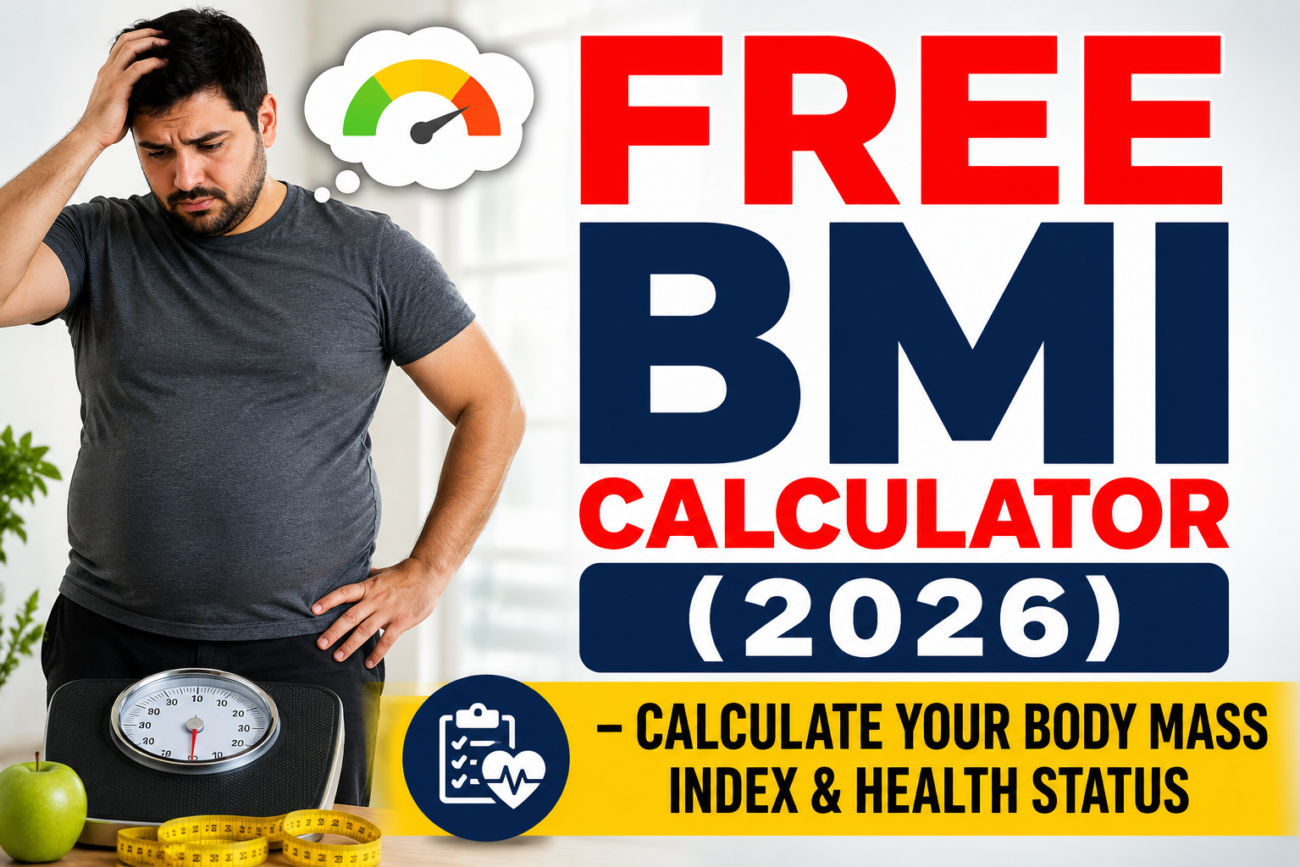
Body Mass Index (BMI) is a simple measurement that helps determine whether your weight is appropriate for your height. It is calculated using your weight and height and provides an estimate of body fat levels. BMI is one of the most widely used health screening tools by healthcare professionals around the world.
Why Is BMI Important?
Maintaining a healthy BMI is important because body weight is closely linked to overall health. People with a BMI outside the healthy range may have a higher risk of developing certain medical conditions.
A healthy BMI can help reduce the risk of:
- Heart disease
- High blood pressure
- Type 2 diabetes
- Stroke
- Sleep apnea
- Joint problems
- Certain types of cancer
Regularly checking your BMI can help you monitor your health and make informed decisions about your diet, exercise routine, and lifestyle habits.
Understanding BMI Categories
BMI values are generally classified into the following categories:
| BMI Range | Weight Category |
|---|---|
| Below 18.5 | Underweight |
| 18.5 – 24.9 | Healthy Weight |
| 25.0 – 29.9 | Overweight |
| 30.0 and Above | Obesity |
If your BMI falls within the healthy weight range, it usually indicates a lower risk of weight-related health issues. However, BMI should be considered alongside other health factors such as age, muscle mass, activity level, and overall fitness.
How to Improve Your BMI
Improving your BMI involves achieving and maintaining a healthy body weight through balanced nutrition, regular exercise, and healthy lifestyle habits.
If Your BMI Is Too Low (Underweight)
Being underweight can sometimes indicate insufficient calorie intake or underlying health issues. To improve your BMI:
- Increase your intake of nutrient-dense foods.
- Eat healthy sources of protein such as eggs, fish, chicken, dairy products, beans, and nuts.
- Include healthy fats such as avocados, olive oil, seeds, and nuts.
- Eat regular meals and healthy snacks throughout the day.
- Perform strength-training exercises to build muscle mass.
If Your BMI Is Too High (Overweight or Obese)
If your BMI is above the healthy range, gradual and sustainable weight loss can improve your health. Consider these strategies:
- Reduce consumption of sugary drinks and processed foods.
- Eat more fruits, vegetables, whole grains, and lean proteins.
- Control portion sizes and avoid overeating.
- Stay hydrated by drinking plenty of water.
- Limit high-calorie snacks and fast food.
- Get adequate sleep and manage stress levels.
Best Exercises to Improve BMI
Regular physical activity plays a major role in maintaining a healthy weight and improving overall fitness.
Cardiovascular Exercises
Cardio exercises help burn calories and improve heart health:
- Walking
- Jogging
- Running
- Cycling
- Swimming
- Jump rope
- Hiking
Aim for at least 150 minutes of moderate-intensity exercise each week.
Strength Training
Strength training helps build muscle and improve body composition:
- Weight lifting
- Push-ups
- Squats
- Lunges
- Resistance band exercises
- Bodyweight workouts
Perform strength-training exercises at least 2–3 times per week.
Healthy Diet Tips for Maintaining a Good BMI
A balanced diet is one of the most effective ways to maintain a healthy BMI. Focus on:
- Fresh fruits and vegetables
- Lean proteins
- Whole grains
- Healthy fats
- Low-fat dairy products
- Plenty of water
Try to avoid excessive consumption of processed foods, sugary snacks, and high-calorie beverages.
Limitations of BMI
While BMI is a useful screening tool, it is not perfect. It does not distinguish between muscle and fat mass. For example, athletes with high muscle mass may have a high BMI despite having low body fat.
BMI should be used as a general health indicator rather than a definitive diagnosis. If you have concerns about your weight or health, consult a healthcare professional for a complete evaluation.
Final Thoughts
BMI is a simple and effective tool for understanding whether your weight falls within a healthy range. By maintaining a balanced diet, staying physically active, getting enough sleep, and making healthy lifestyle choices, you can improve your BMI and support your long-term health. Use the BMI Calculator above to check your BMI and take the first step toward a healthier future.
